

The World’s Most
Sustainable Wood

From waste to wood.
Carbon Smart Wood™ is named for its powerful climate impact – salvaging wood otherwise headed to landfill, burning, and mulch piles. Carbon Smart Wood™ is never harvested or cut down for the sole purpose of providing wood. Instead, it gives new life to wood that would have otherwise been wasted or under-used.
Our Customers
Whether it’s in the workplace or home - Carbon Smart Wood™ is making a lasting impact on our built environment and these brands are leading the way.
Meet the Team






Interested in using Carbon Smart Wood™ in your next project?
Endorsed Sellers
Our endorsed sellers are certified to distribute Carbon Smart Wood™ finished products and materials.

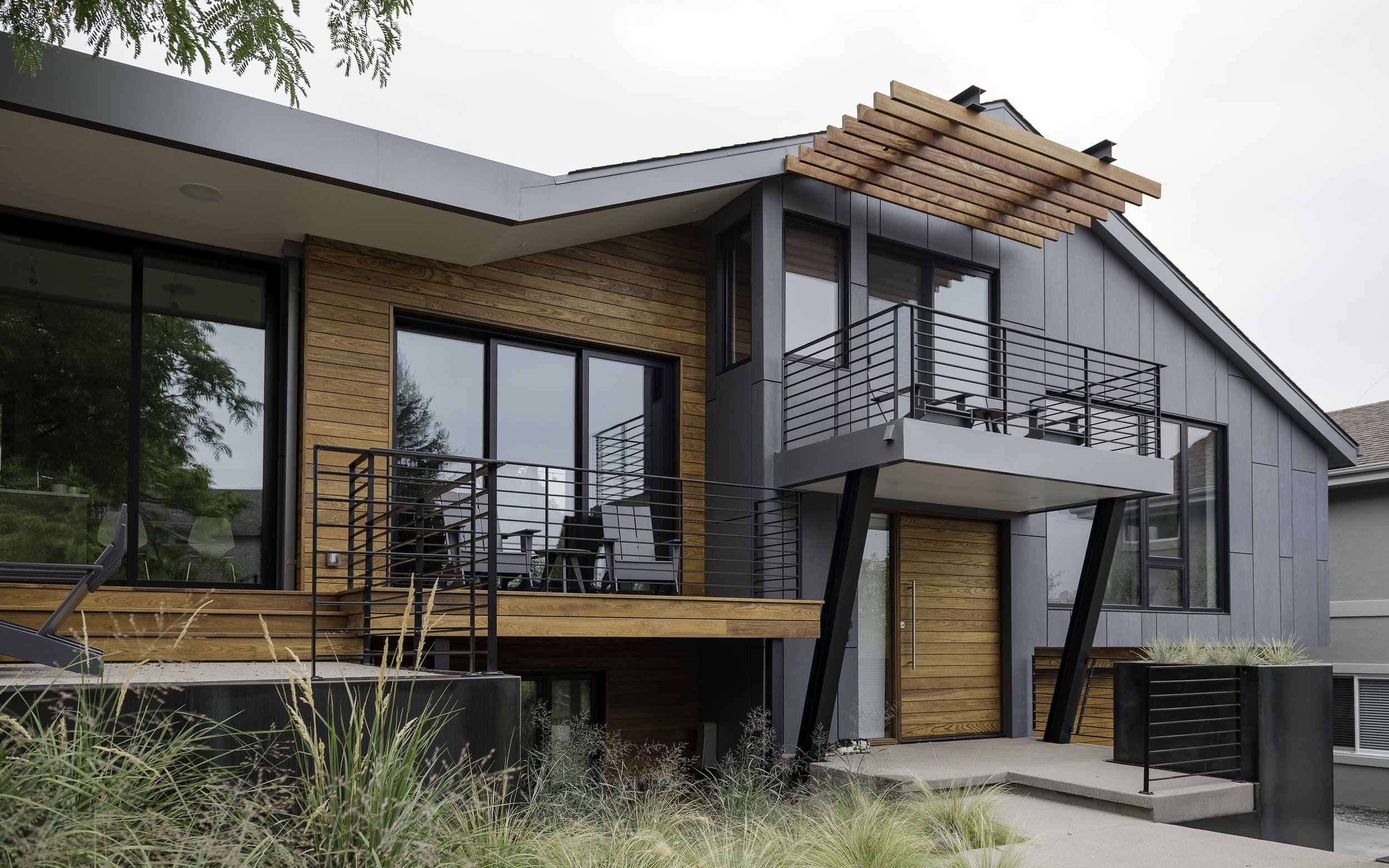


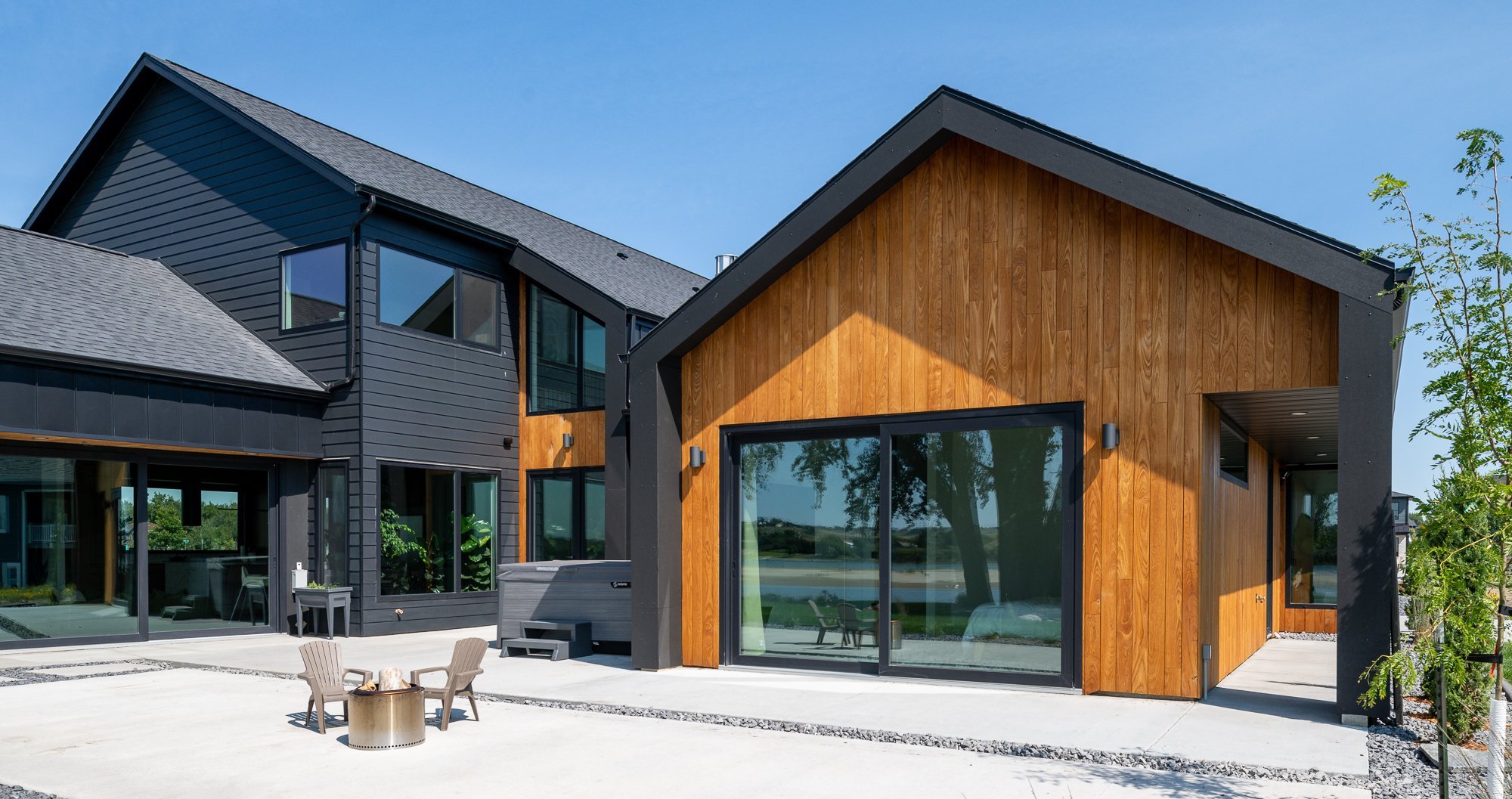

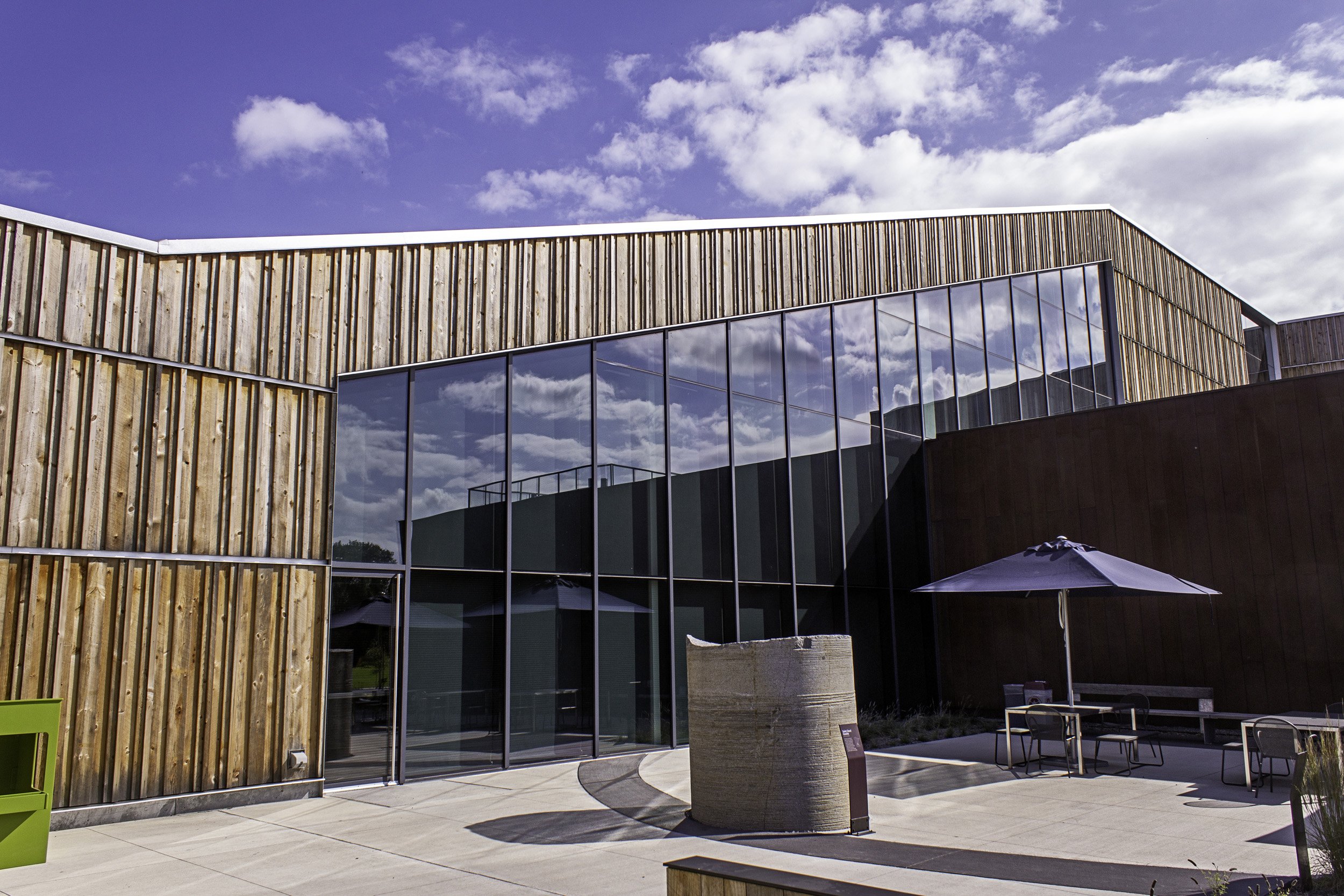
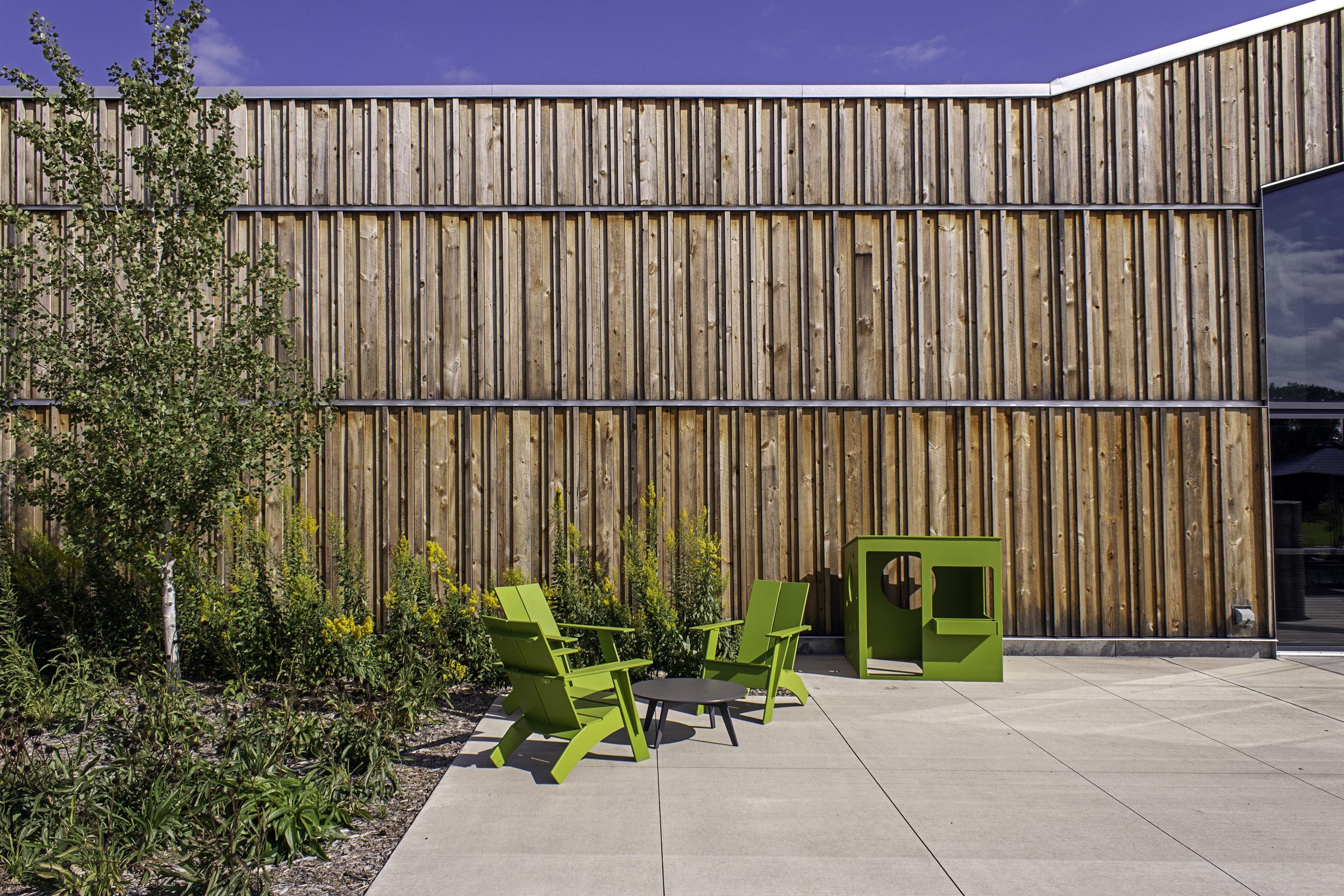
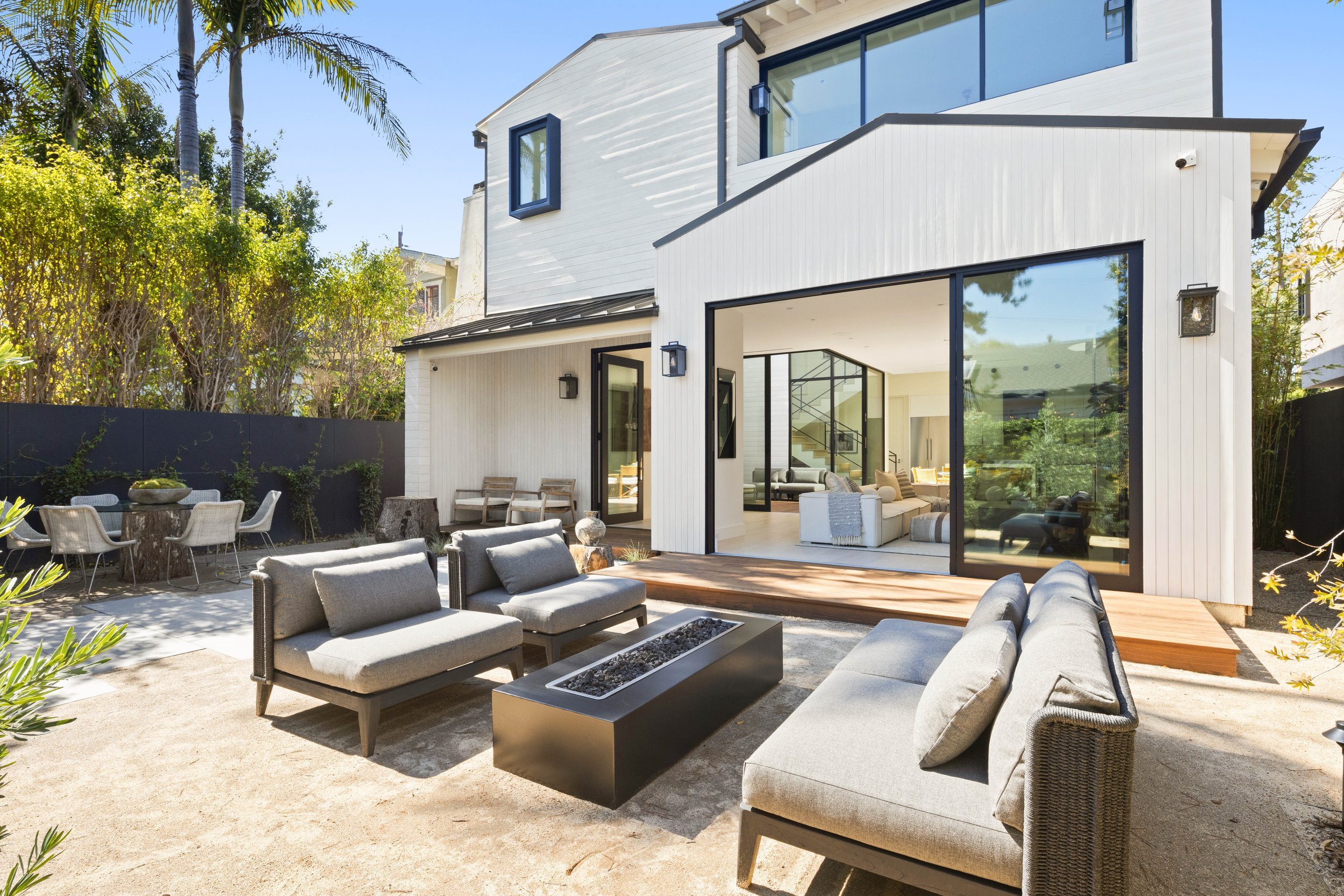
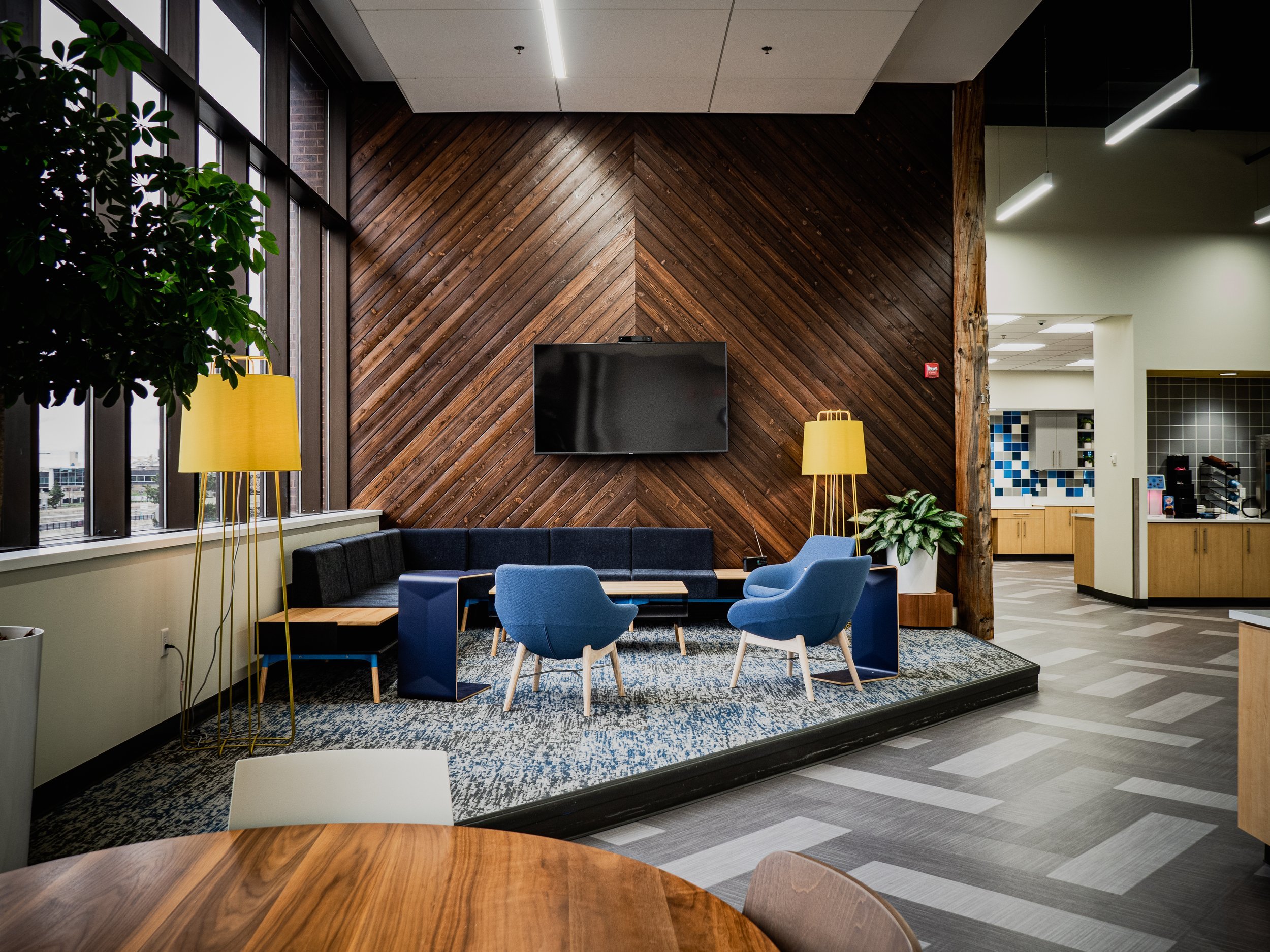
The Performance-Driven Choice: Arbor Wood Co. produces thermally modified wood for a variety of outdoor and indoor applications including siding, decking, and architectural millwork.

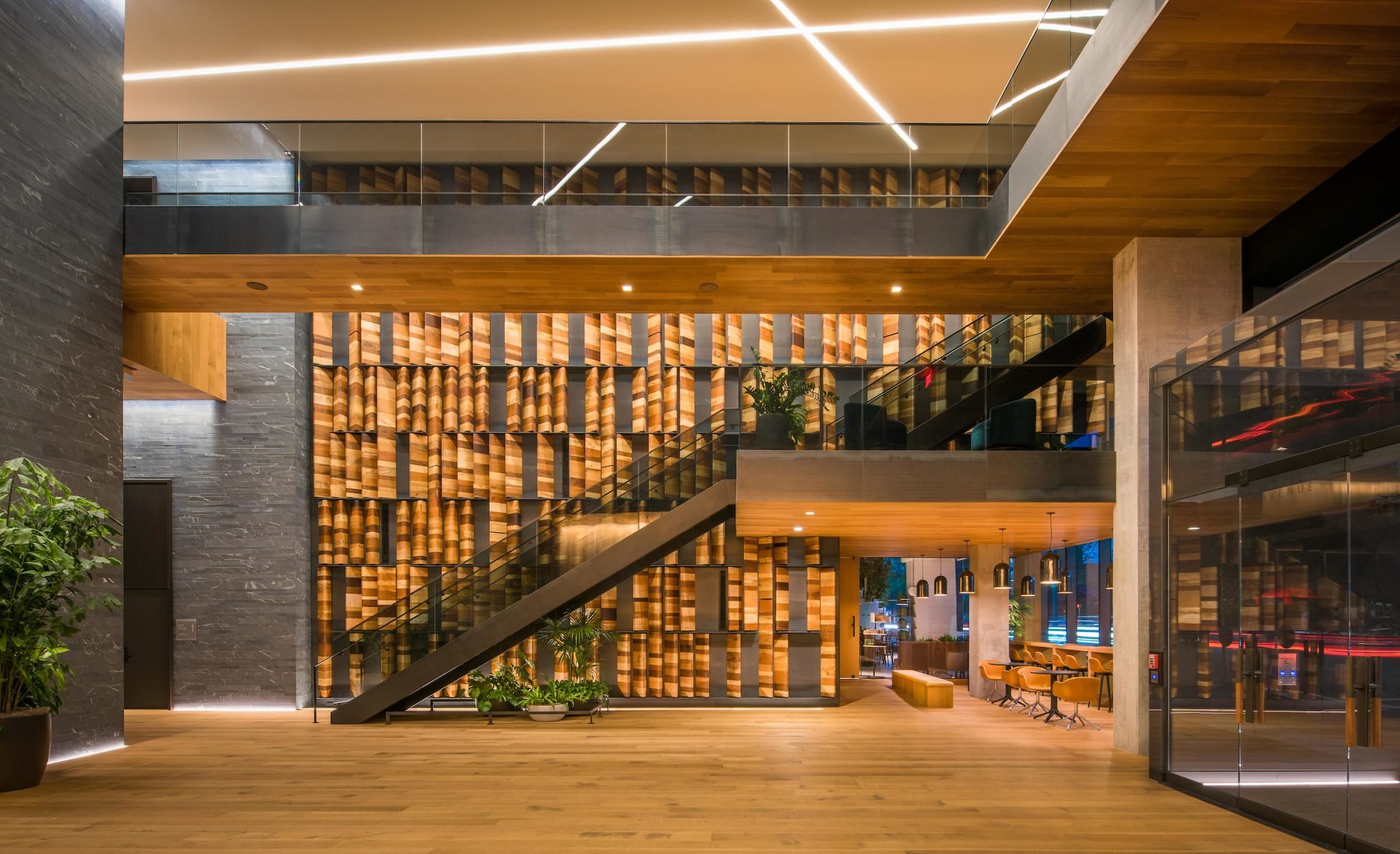
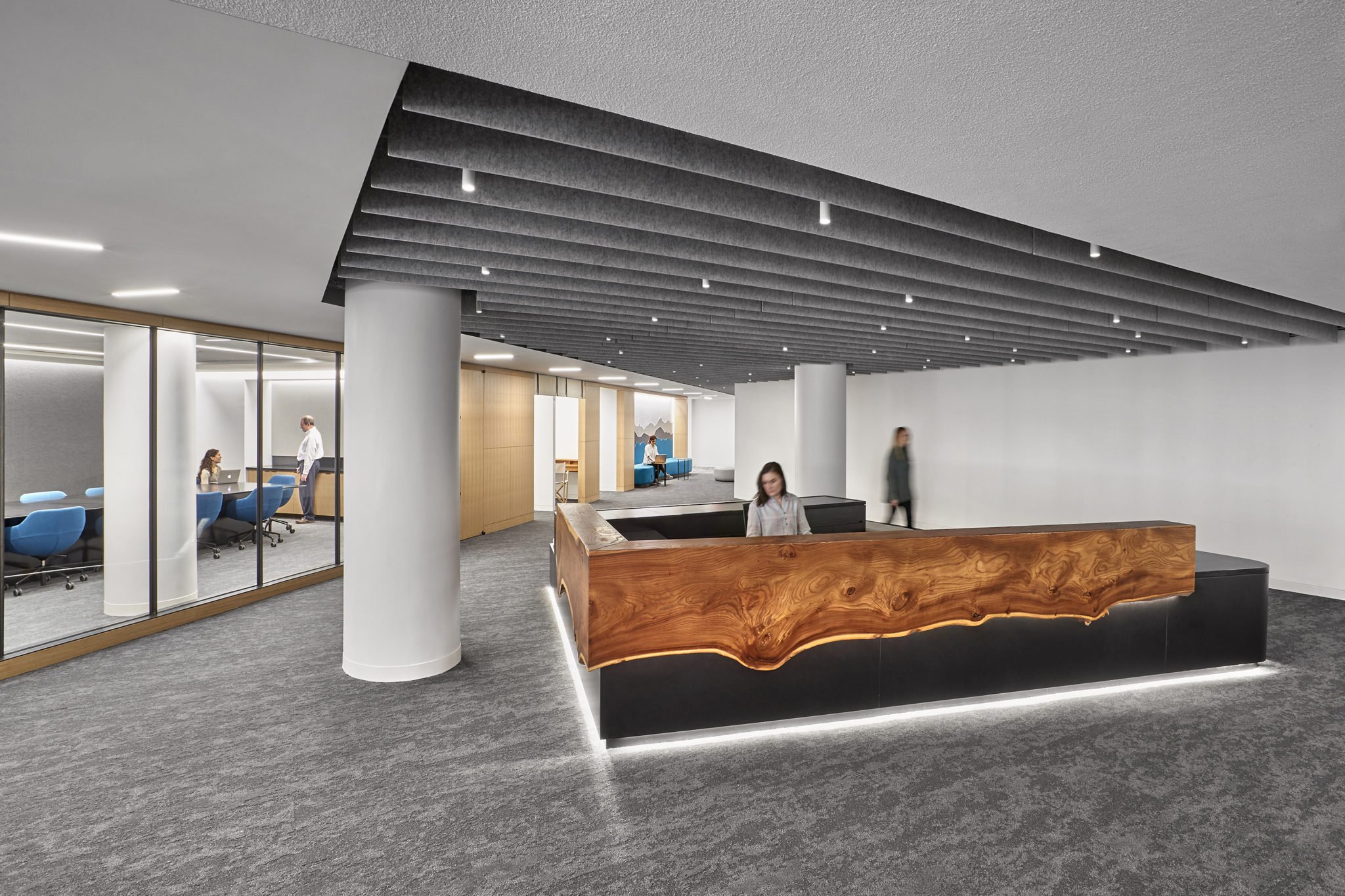

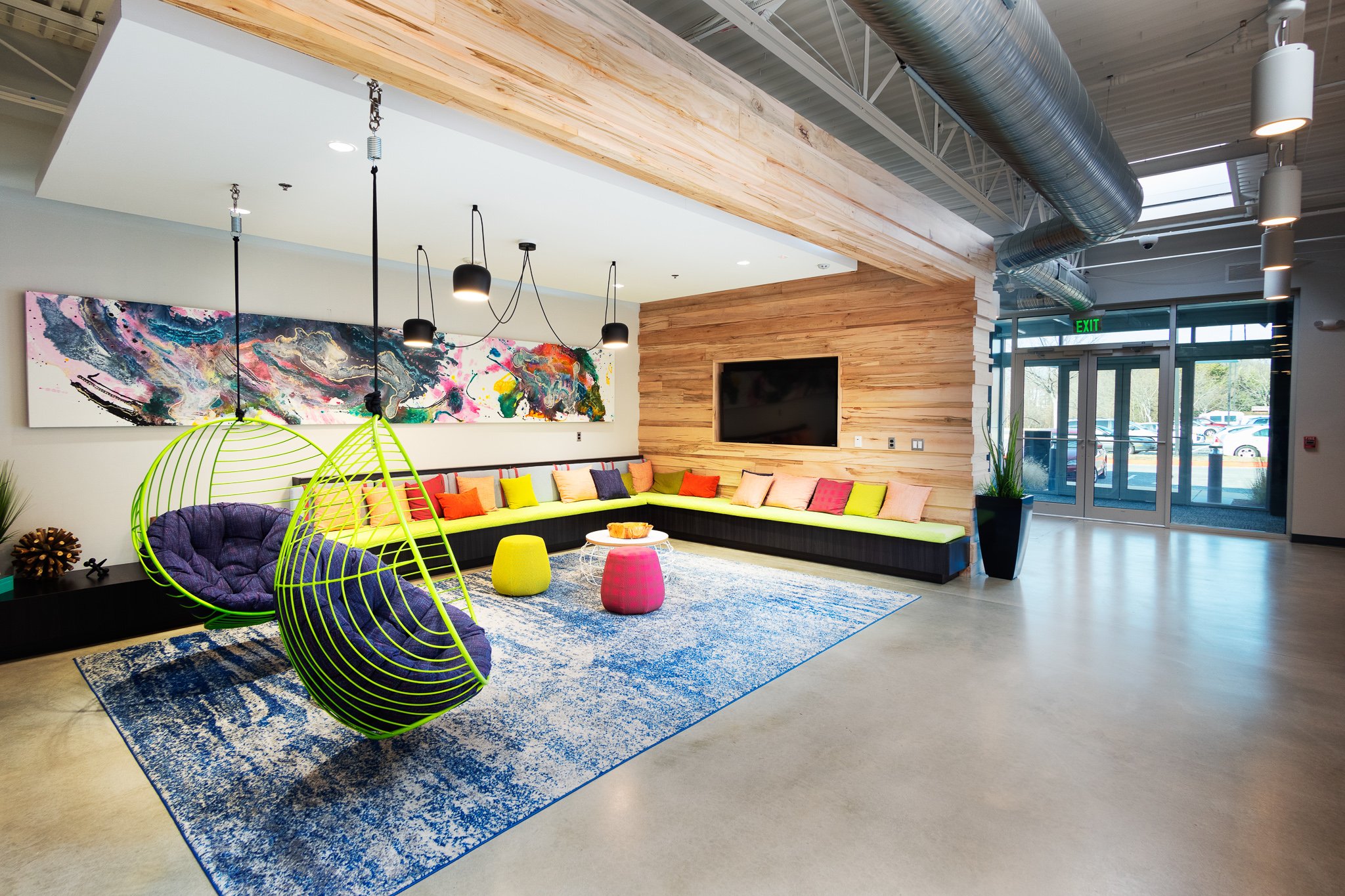
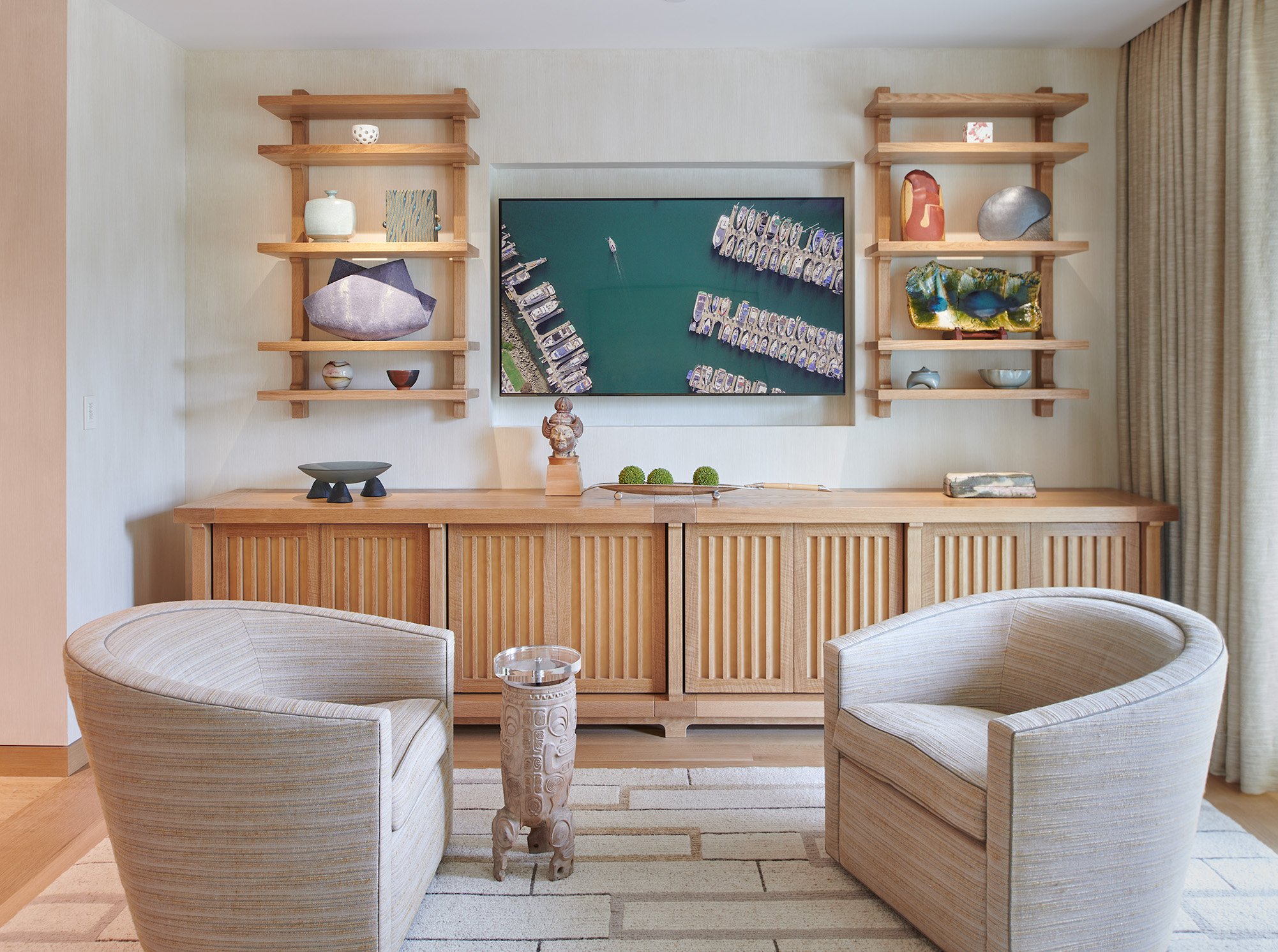
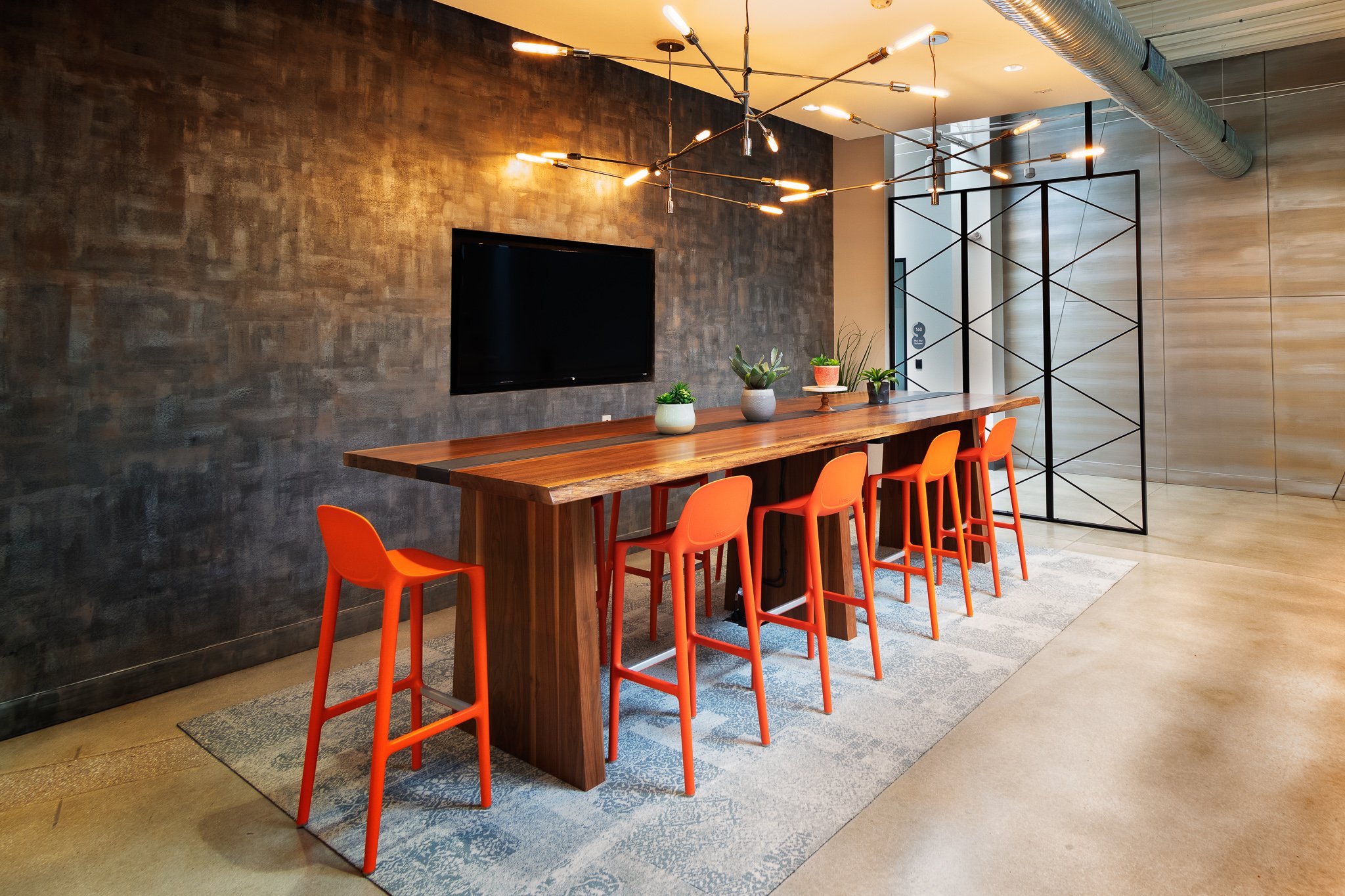


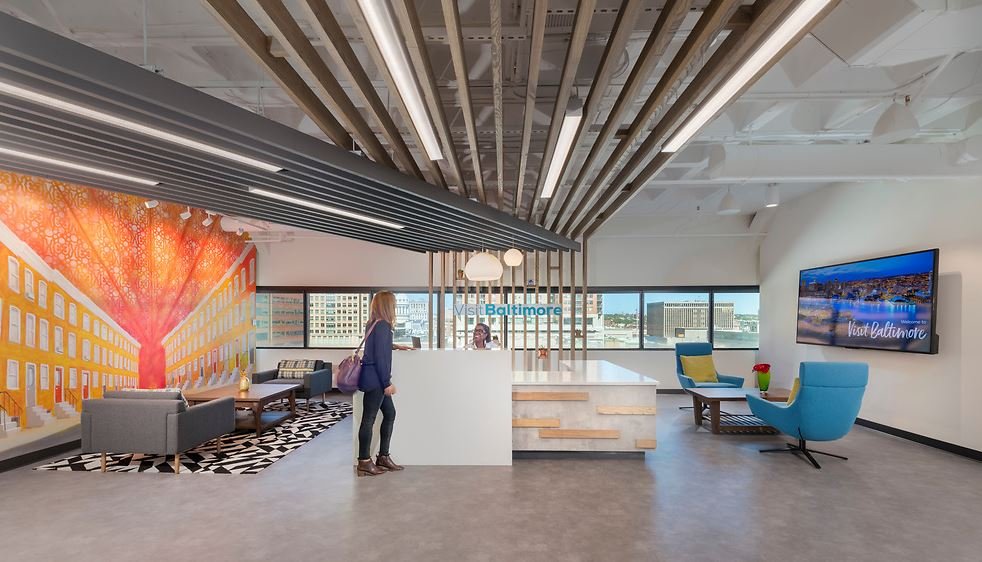
Using Only Locally Sourced Lumber for Commercial, Residential, or Furniture Needs. As a solid custom wood shop, BFL functions on a production level, creating stair treads, countertops, commercial furniture, conference & dining tables, accent walls, bars, & mantels. They are the leader in the Carbon Smart Wood™ movement having been the first to adopt this material in all projects.


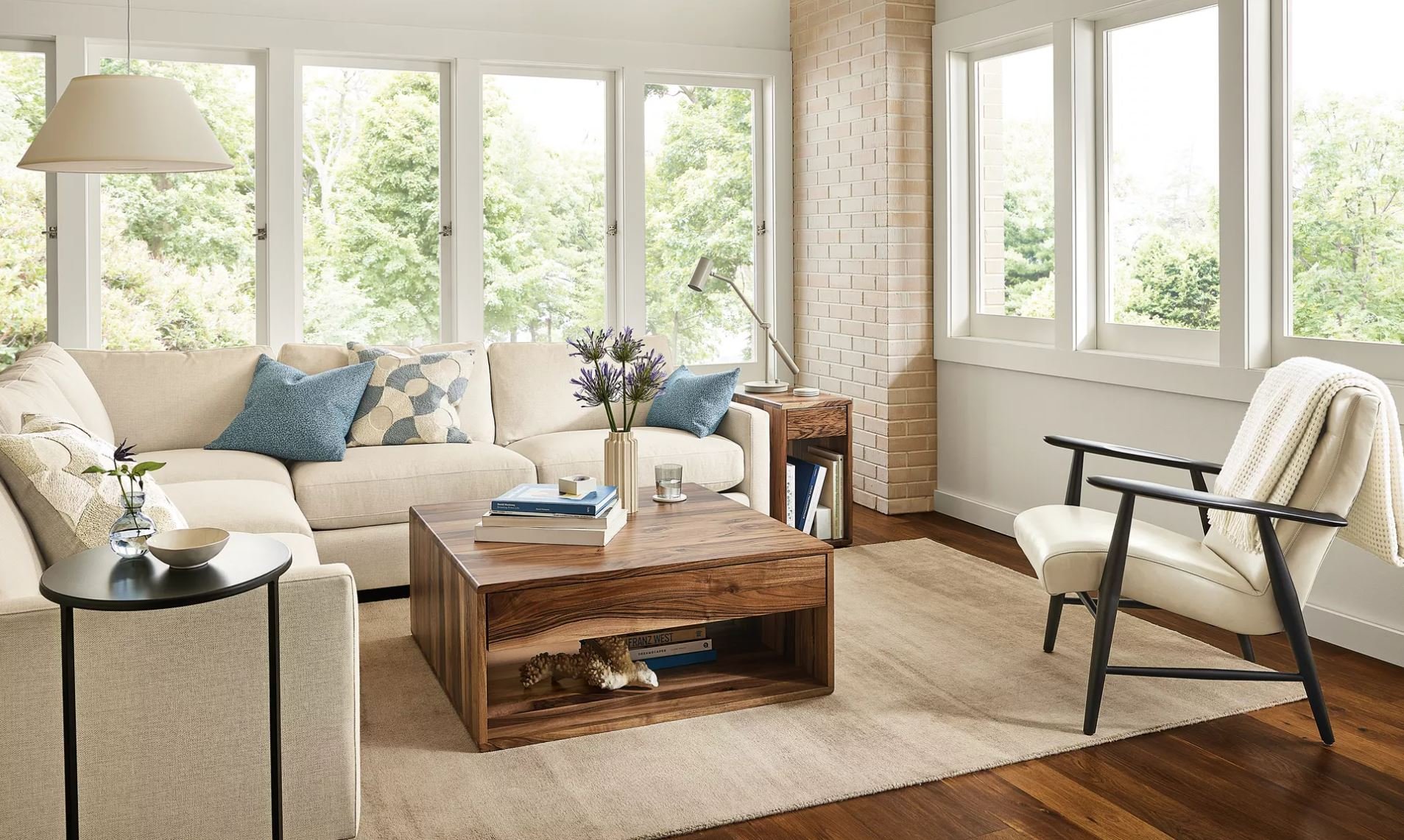
Room & Board is a contemporary furniture retailer known for its timeless designs and emphasis on quality materials and craftsmanship. They are one of the first furniture retailers to pursue using urban wood sourcing at scale.
Download the 2023 Carbon Smart Wood™ Outdoor Design Book


A complete supply chain operating system.
The Traece™ technology is a vertically integrated suite of software tools and marketplace that enables suppliers to manage inventory, operations, and sales throughout the entire supply chain from fallen tree to finished goods.

FAQ
-
Carbon Smart Wood™ is a sustainable wood solution that repurposes salvaged timber, reducing waste and emissions. It originates from fallen or removed trees due to disaster, disease, development, or decay, while being supported by Traece™ technology for source transparency and local craftsmanship traceability.
-
Carbon Smart Wood™ can be used for any lumber purpose in our built environment. Finished products can be purchased through our endorsed sellers and raw materials are produced and sold by our team at Cambium.
-
If you're involved in sourcing and processing locally salvaged wood and seek to increase your inventory's reach, you might qualify as a Carbon Smart Wood Supplier. Our collaboration involves a network of verified salvagers, primary and secondary processors nationwide, forming a nationally-local supply chain for Carbon Smart Wood. Please reach out to our supply team at sofia@cambiumcarbon.com.